
Key Takeaways
- Sibling inheritance disputes may arise over the share of inheritance distributions, who should receive specific assets, or whether the terms of the estate planning documents.
- Inheritance disputes can commonly be caused by a lack of communication between the decedent and their beneficiaries or a failure of the decedent to create an estate plan to guide the distribution of assets.
- Mediation and arbitration are often preferred methods for addressing disputes before pursuing litigation, which can be expensive and time-consuming, and tarnish family relationships.
- It is advisable to engage the support of an attorney as soon as possible to facilitate open communication and seek a resolution early before the dispute becomes more extensive.
Introduction
Determining the proper way to distribute assets to beneficiaries can be a difficult process after a loved one dies. Siblings may find themselves at the center of disputes when a parent dies, as they may have conflicting interests over what share of an inheritance they should receive.
A will or trust is important for clearly outlining the wishes of a deceased parent so that all parties understand who has a right to inherit what share of the estate. However, if there was no will left or siblings disagreed regarding the share of an inheritance they should receive, it could lead to disputes.
Sibling disputes can be highly contentious and difficult to navigate. Understanding the root causes of these disputes and how to address them is crucial for moving forward in the trust or estate administration process so that beneficiaries can receive their distribution of assets and receive closure.
Understand Common Causes of Inheritance Disputes
Inheritance disputes center around beneficiaries of an estate who have conflicting interests over the inheritance they should receive. Some of the most common causes of inheritance disputes include:
- A decedent did not leave an estate plan to guide how assets should be distributed, and siblings want a greater share of the estate
- Siblings disagree regarding who should inherit a specific asset, such as the family home
- A sibling believes they should receive a greater share of an inheritance than their other siblings
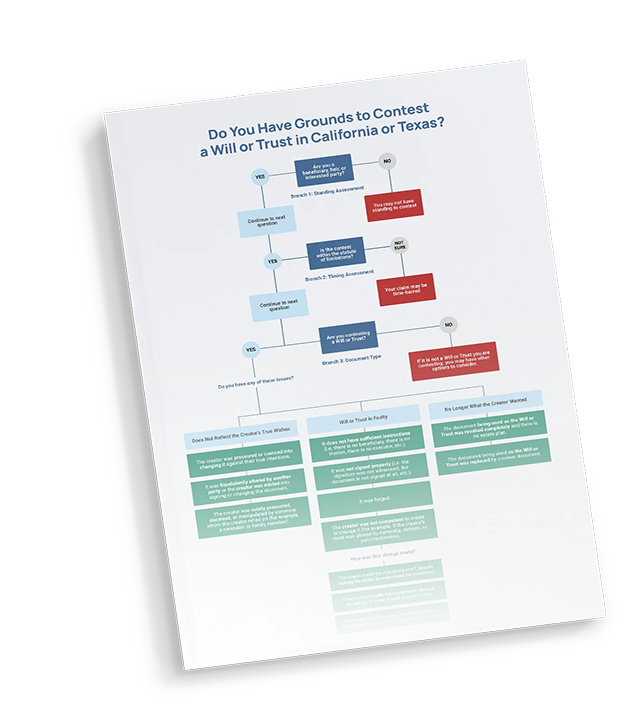
- A sibling contests the will because they believe another party affected the will through fraud or undue influence of the decedent
Although each of these disagreements is at the foundation of inheritance disputes, the root causes are often deeper. The lack of a developed estate plan or a lack of communication are often the foundational elements leading to the issues above.
Importance of Clear Communication
Clear communication is integral to managing, resolving, and preventing disputes between siblings during estate planning and administration. This open dialogue should begin during the estate planning phase, as it’s important that all beneficiaries and interested parties understand the decedent’s wishes so that they are not surprised upon the beginning of the trust or estate administration process.
When the administration of the trust or estate begins, it’s the responsibility of the estate’s personal representative to continue this communication as they carry out their responsibilities so they can prevent potential disputes. Beneficiaries should receive proper notice around every step of the process, including the opening of the process and any transactions made that involve assets, to minimize confusion or surprise.
Role of Executors and Trustees
Executors and trustees each play important roles in representing a trust or estate to guide the distribution of assets, carry out the wishes of the decedent, and reduce the risk of disputes in the process. An executor is responsible for administering a will and using the terms outlined in it to distribute estate assets, while a trustee has a similar role but controls and handles the distribution of assets placed into a trust.
Executors and trustees can minimize disputes between siblings by taking the following steps:
- Carefully reviewing and understanding the terms of the will or trust document, including seeking the assistance of a lawyer to help you understand each document and how they interact with each other
- Upholding their fiduciary duties to act in the best interests of the estate or trust
- Considering the interests of all beneficiaries while acting without personal bias or self-interest
- Communicating with all heirs and beneficiaries as they fulfill their duties in the estate or trust administration process
- Making rational decisions based on the wishes of the decedent, their estate plan, or state intestacy laws
If a dispute arises during the trust or estate administration process, the executor or trustee should be the first to step in to address the dispute. The personal representative may attempt to resolve the dispute by clarifying the terms of the estate planning documents, taking steps like selling estate property to ensure equitable distributions, or by acting as a mediator between the siblings.
However, if a dispute cannot be easily resolved, they may choose to engage an estate or trust litigation attorney who can help facilitate more extensive steps.
California

Texas

Benefits of Professional Estate Planning
Strategic estate planning is one of the most important strategies for minimizing the risks of sibling inheritance disputes. Professional estate planning is valuable for helping you ensure that your estate plan is as airtight as possible to reduce the risk of disputes.
Regular Updates to Wills
After creating an estate plan, it’s important to update it regularly to account for lifestyle changes and other circumstances. Important life events such as having a child, getting divorced, or getting remarried can all drastically affect how a person would want their assets to be distributed. Having a professional estate planning attorney and other advisors on your side can ensure you are well-equipped to change your estate plan as necessary.
Utilizing Trusts to Minimize Conflicts
A trust is a valuable estate planning tool used to protect assets and specify how these assets should be distributed to beneficiaries. The assets of the trust are placed under the control of a trustee, who has the discretion to distribute them in line with the terms described in the trust instrument.
Because the trust keeps assets separate from the grantor’s estate and clearly describes who should receive them, there is far less room for conflict to occur. The idea of a trust is that the grantor’s wishes are cut and dry and provide clear guidance for how assets should be distributed.
After establishing a trust, it’s important that the grantor communicates this with beneficiaries to make them aware. Then, it’s essential for the trustee to carry on this clear communication with beneficiaries. Upon the death of the decedent, the trustee should send out a copy of the trust instrument to all interested parties so that they completely understand the grantor’s wishes and why decisions are made.
Mediation and Arbitration as Resolution Tools
Mediation and arbitration are two forms of alternative dispute resolution that can help alleviate conflict before it becomes more extensive and bring about an agreement that all sides can agree upon.
How Mediation Works
Mediation works by engaging all interested parties in an estate in a discussion guided by a neutral third party to reach a mutually acceptable agreement. Mediation provides a first step to resolving disputes before considering lengthy estate litigation. It’s wise to consult an attorney who can help you understand your legal rights and offer advice on whether mediation is the right choice for your situation.
Once you find legal counsel, the process features the following steps:
- Preparing for mediation – To prepare for mediation, it’s wise to consult a lawyer, ensure all parties agree to the process, choose a neutral and experienced mediator, and gather any relevant documents.
- Setting expectations – Once entering mediation, it’s crucial that all parties understand the process is about finding a compromise, not winning. All parties should expect to compromise and maintain an open mind.
- Attending session(s) – During mediation, all parties will communicate openly, listen to the others in the room, and work with the mediator to explore solutions while staying calm and focused on resolving the dispute.
- Reviewing and finalizing an agreement – The end goal of mediation sessions is to establish a mutually acceptable agreement that will guide the administration of the trust or will.
Once an agreement is established through mediation, it is considered legally enforceable. All parties should plan to comply with the terms of the agreement, or legal action may be exercised to enforce it.
Benefits of Arbitration
Arbitration is another option before litigation, but is more structured and advanced than mediation. This process engages a third-party arbitrator to hear arguments from all parties, who will be in separate rooms, and then make a final, legally enforceable decision regarding the administration of assets.
Arbitration is often a chosen option when a conflict is more extreme and mediation appears not to be a viable solution. However, arbitration is still a more amicable step than litigation and can bring a legally enforceable agreement without the contentious environment of a courtroom.
Legal Intervention: When It’s Necessary
Legal intervention is helpful at any point after a dispute between siblings arises. It is advisable to engage the support of an attorney as early in the process as possible. Engaging an experienced attorney early can be beneficial for facilitating the mediation of the dispute so that the risk of more extensive litigation is less likely.
Advanced legal intervention is typically necessary when inheritance disputes cannot be negotiated outside of court. In this case, interested parties will need to enter into the arbitration process, or if absolutely necessary, pursue litigation. In such cases, the support of an attorney will be crucial for identifying the legal avenues available, building a formidable case, and providing representation in court.
Once an agreement has been reached or decided by the court, the support of an attorney may be beneficial for continuing on in the estate administration process, facilitating the transfer of accounts or titles to property owners so that they can legally retain ownership.
Understanding Inheritance Law
Inheritance laws state that the decedent has the right to determine who should receive the assets from their estate by creating a clear estate plan. The inheritance process is always guided by the wishes of the decedent first when they are clearly defined by a will or trust document, or by state intestacy laws if one did not exist.
If The Decedent Left a Will
When a decedent leaves a will, this document must be used to guide the estate administration process according to inheritance laws. A comprehensive will should outline the assets included in an estate, identify beneficiaries to receive these assets, and specify proper terms for how to distribute these assets.
This process is facilitated by an estate executor, who will be responsible for carrying out the terms of the will according to the wishes of the testator. However, some factors, like community property or sibling inheritance laws, may protect the rights of some legal heirs to receive an inheritance even if they are not properly identified in the will.
After inventorying and marshaling all estate assets and ensuring all outstanding debts and expenses have been resolved from the estate, the executor should petition the probate court to conduct the final distribution of assets to then be distributed to identified beneficiaries according to the decedent’s wishes.
If The Decedent Created a Trust
If the decedent placed their assets into a trust, the trust instrument created by the decedent should have clear instructions around how these assets should be handled and ultimately distributed to beneficiaries. The trust administration process is similar to the estate administration process. However, the assets are considered to be owned by the trust rather than the decedent, and this process is guided by a trustee, who controls the assets.
Like the estate administration process, the administration of the trust should begin by notifying all interested parties of the opening of the process and resolving any debts or expenses against the trust before distributing the assets of the trust to beneficiaries.
It’s important to note that even if there are unresolved disputes in the administration process or a beneficiary is unwilling to participate, the administration process can proceed as long as proper notice is given about each step and the trustee is responsibly carrying out the terms of the trust.
If The Decedent Did Not Create a Will or Trust
If the decedent did not leave any instructions for how to distribute assets through either a will or trust, then the process should follow state inheritance laws. The probate court will appoint an estate administrator to oversee and facilitate the administration of the estate and distribution of assets, guided by state intestacy laws.
These inheritance laws typically specify the line of succession as follows:
- Spouse
- Children or grandchildren
- Parents
- Siblings
The administration of the estate without a will is known as intestate succession. Through intestate succession, the estate administrator will resolve any debts or expenses facing the estate, and then distribute assets according to the above line of succession, given the surviving legal heirs.
Engaging Estate Litigation Lawyers
You should consider engaging an estate litigation lawyer as soon as a dispute arises, as an experienced attorney will help you take the appropriate steps toward resolving it. In the early stages of a dispute, an attorney can provide guidance to help facilitate the mediation process through constructive conversations to reach an agreeable resolution sooner.
However, if it becomes apparent that mediation is unproductive and litigation or more extensive legal action appears to be necessary, then an attorney can help you gather evidence for your case, build a winning strategy, and litigate your case in court.
Regardless of which avenue may make the most sense, it’s crucial to choose the right lawyer in the process. An experienced attorney will help you understand your legal rights and listen carefully to ensure that they understand your case and the unique family dynamics surrounding it. Consider scheduling a consultation with an attorney to explain your situation and understand what level of support they may be able to provide.
Handling Real Estate Division Among Siblings
Real estate property is often one of the most contentious assets amongst siblings and can frequently lead to inheritance disputes. Dividing inherited property between siblings can look different depending on the wishes of the decedent, state intestacy laws around the line of succession, or an agreement between siblings.
Typically, instructions for how to distribute real estate property to beneficiaries should be clearly outlined in a will or trust document. However, if the estate plan does not clearly outline who should receive property, then there are multiple ways in which this property can be handled.
The most common approaches involve:
- Selling the property and dividing the proceeds equally amongst the siblings
- Negotiating an agreement where one sibling keeps the property and buys out the shares of the other siblings
- If any of the siblings were co-owners of the property or joint tenants, they will receive rights to the property. If there is a remaining share will be determined by the decedent’s estate plan
If a solution cannot be reached among beneficiaries with the support of a third-party mediator, then it may be necessary to engage the courts to resolve the dispute or force the sale of the property. Unless there is a clear estate plan that outlines the wishes of the decedent, the court will likely yield to state intestacy laws to guide a fair distribution of assets according to the line of succession.
Achieving Fair Resolutions
In many sibling disputes, it is possible to arrive at a fair resolution that satisfies all interested parties, as long as all parties are willing to engage in open dialogue. A mediation process led by a neutral, third-party mediator can foster an opportunity to openly discuss the concerns of each side while remaining sensitive to the natural grieving process that exists alongside any disputes.
To achieve a fair resolution, it’s important to consider all the following points:
- Siblings should be encouraged to discuss their concerns openly in order to prevent misunderstandings.
- All parties should understand each sibling’s perspectives and expectations regarding the inheritance process and what they should receive.
- Legal and professional guidance can facilitate constructive conversations and provide assistance in understanding legal frameworks for inheritance.
- Consider reaching out to an attorney to begin the mediation process as soon as possible after a dispute arises in order to prevent disagreements from escalating.
Although a clear and regularly updated estate plan is the best way to demonstrate fairness and avoid family disputes by clarifying the decedent’s wishes, mediated discussions can provide a comfortable environment for all parties to negotiate potential compromises and reduce the chance of further disputes.
Preserving Family Relationships
One of the most significant challenges of disputes between siblings is preserving family relationships without extending the conflict beyond the administration of the estate. The intense emotions around a family dispute, mixed with the difficulty of a lost loved one, can quickly take a toll on family relationships, making it necessary to prioritize empathy and understanding.
To manage and avoid disputes, it’s important to maintain an open dialogue amongst siblings. A space for open dialogue can help eliminate confusion, prevent misunderstandings, and ease tension. This dialogue can be fostered through regular meetings with clear guidelines and should be a standard set by the decedent during the estate planning process so that all beneficiaries have clear expectations around their inheritance.
Consulting an experienced attorney will give you the opportunity to address concerns early before they risk extensive legal action that strains relationships. The right attorney must be able to account for the sensitivities of the situation and be willing to place the importance of seeking an amicable resolution at the forefront of the process.
It may also be helpful to make connections with family counselors or therapists, who can aid in dealing with the emotional aspects of disputes among siblings.
Navigate Inheritance Disputes With RMO Lawyers
Inheritance disputes can be difficult to navigate with the goal of finding an amicable resolution while still preserving. However, by being mindful of the sensitive nature of these disputes and engaging an attorney skilled in resolving them, you can increase your chances of finding a solution to your family conflict sooner.
The attorneys at RMO have decades of experience in navigating the complexities of inheritance disputes, focused on protecting people and defending legacies. We take an empathetic, person-first approach to every case, allowing us to understand the unique family dynamics of each situation and determine how to move forward to secure the best possible outcome.
Schedule a consultation with the team at RMO Lawyers to discuss the best path for resolving your sibling dispute.
Glossary
Decedent – A person who has died and left behind assets to be distributed.
Estate executor – An individual appointed by a probate court who is responsible for managing and administering an estate and is named as executor in the deceased’s will.
Estate administrator – An individual appointed by a probate court to manage and administer an estate when there is no will naming an executor, the named executor is deceased or otherwise cannot serve, including because they are disqualified or were suspended, or removed.
Personal representative – An overarching term for a person who is responsible for administering an estate, encompassing the roles of executors, administrators, and trustees.
Grantor – The creator of a trust document to describe how their assets should be distributed.
Testator – An individual who creates a will to be followed upon their death, explaining their wishes for the distribution of their assets to relevant beneficiaries.
Trust – A legal agreement that grants a third party, or fiduciary, the authority to hold and manage assets for the beneficiaries of an estate.
Will – A legal document created by an individual to identify beneficiaries of an estate’s assets and appoint a third party to distribute the assets of an estate.
Trust Contest – A legal proceeding where interested parties in a trust can dispute the validity of the trust as long as they have legal grounds to do so, such as in cases of suspected mental incapacity of a grantor or undue influence against a will creator.